Why Every Shooter Should Keep a Shooting Diary
by Juily23 Oct 2026No likes yet
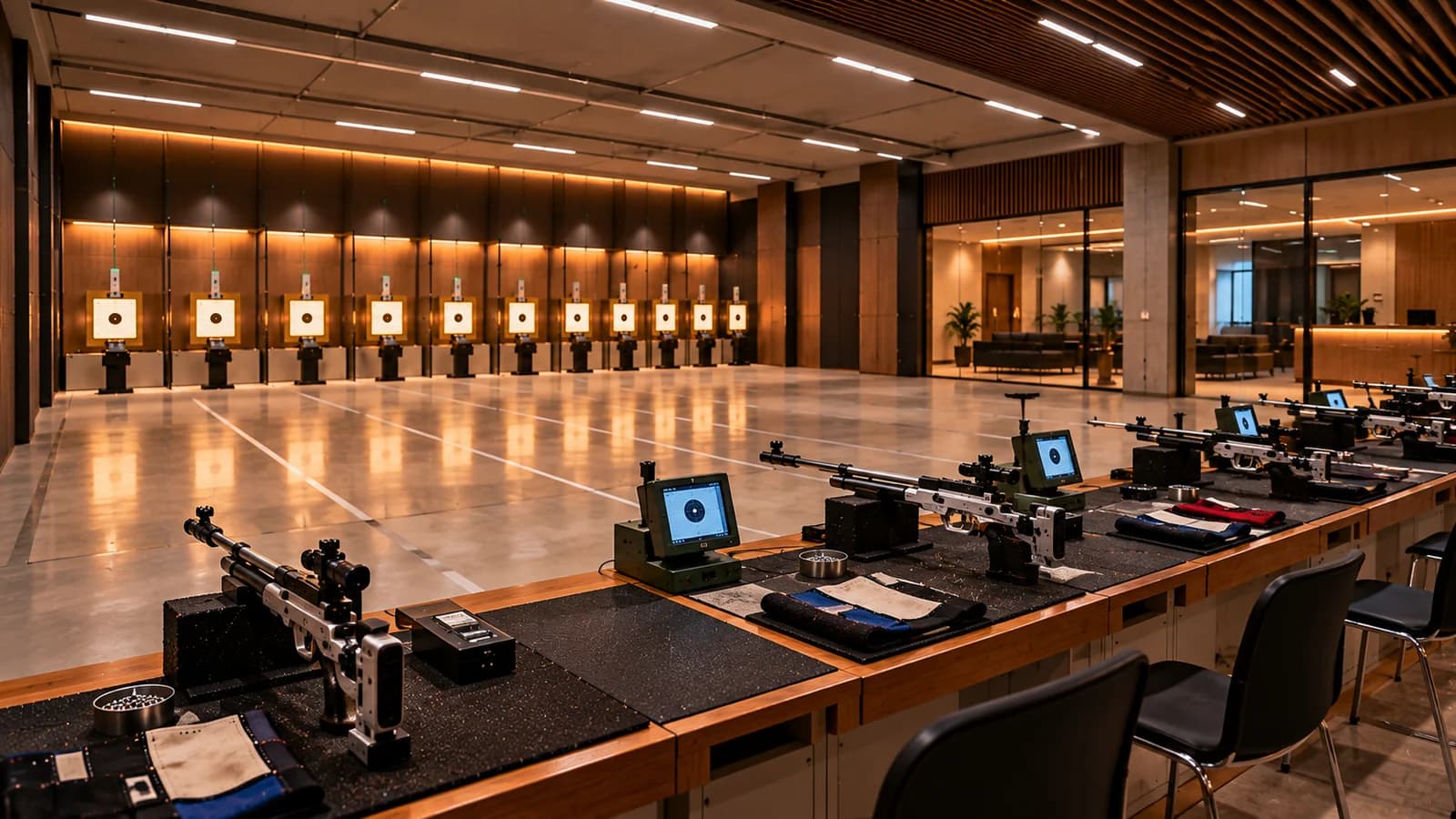
- 10m Air Rifle
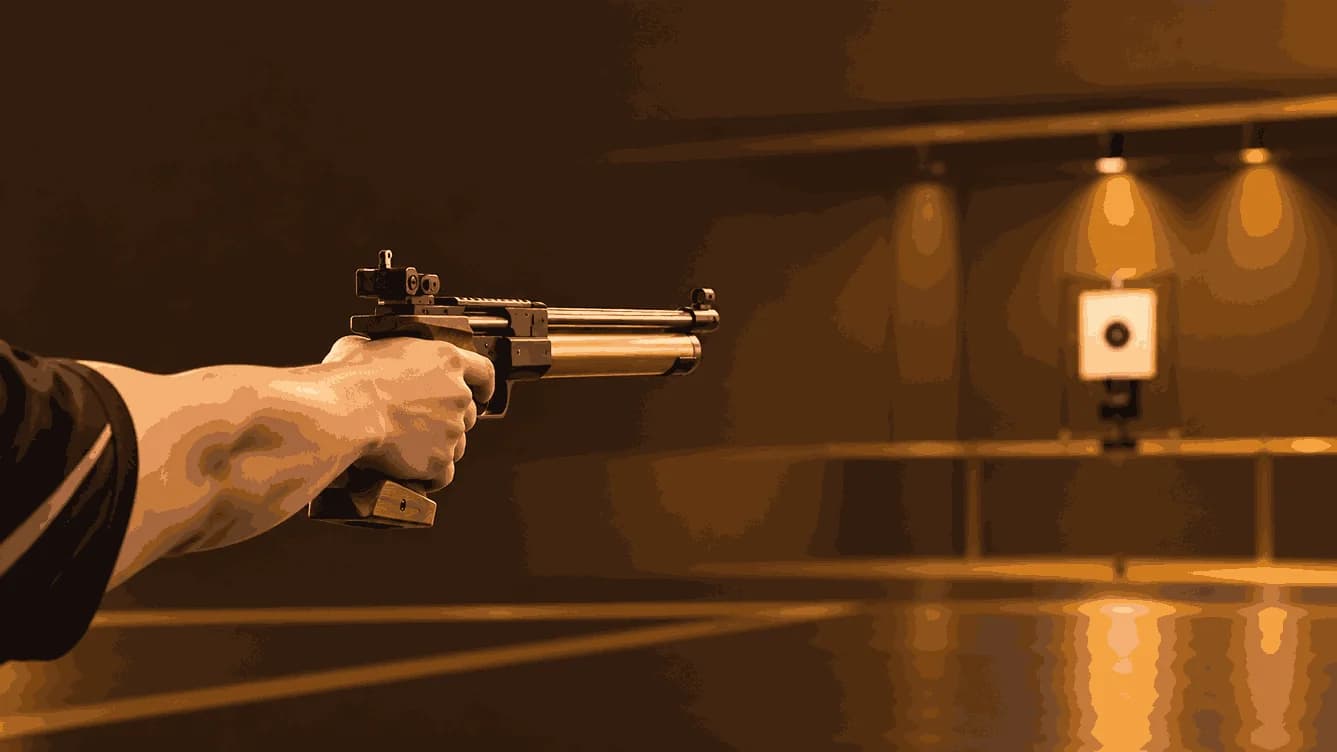
- 10m Air Pistol
Ask a few experienced shooters what helped them most in their early years, and many will mention a notebook. Not a new rifle, not an expensive jacket, but a simple record of every training session and match.
A shooting diary turns "I had a bad day" into "my scores drop after 40 shots when I skip lunch". That is the kind of detail you can actually fix. This article explains why a diary works and exactly what to write in it.
Why a diary works
Shooting is a sport of small differences. Half a point per series, a slightly different head position, a trigger released a fraction too late. You cannot remember all of that a week later, let alone a month later.
A diary helps in three ways:
- It shows patterns. Scores that look random over a few days often have a clear pattern over a few weeks.
- It makes coaching easier. Your coach sees a handful of your sessions. Your diary shows all of them.
- It keeps you honest. It is easy to remember the good series and forget the bad ones. Numbers do not forget.
What to record after every session
Keep it short enough that you will actually do it every time. Five minutes is enough.
The basics
- Date, place and event (for example 10m Air Rifle)
- Practice or match
- Number of shots fired
Scores
- Series scores (for example each 10-shot series)
- Total and average per shot
- Best and worst series
How it went
- What you worked on (trigger, position, breathing, routine)
- One thing that went well
- One thing to change next time
Conditions
- Time of day
- How you felt: rested, tired, nervous, rushed
- Anything unusual: new equipment, a change in position, a long break before the session
What to record after a match
Matches deserve a little more detail, because they are where pressure shows up.
- Your sleep and food before the match
- Warm-up and sighting shots, and how long you took
- Series by series scores
- Where in the match you lost points (start, middle, end)
- What you were thinking when things went wrong
- What you would do differently
Many shooters find that their match problems are not technical at all. They are about timing, nerves or routine, which only show up when you write them down.
How to read your diary
Once a week, look back over the last few entries and ask:
- Is my average per shot going up, flat or down?
- Are my worst series always at the same point in the session?
- Do I shoot better at a certain time of day?
- Did a change I made (new grip, new routine) actually help?
Once a month, compare your practice scores with your match scores. A big gap usually means you need more match-like practice: timed series, full matches, or shooting with people watching.
Paper or app?
Both work. A paper notebook is simple and always available. An app makes it easier to see trends, because it can draw graphs and calculate averages for you.
We built the Shooters Pocket Diary app for exactly this: you record entries per event, add series scores, notes and photos of your targets, and see your progress in charts. It also works offline, which helps at ranges with poor mobile signal. If you train with a coach, you can choose to share your diary with them.
Whatever you use, the important thing is to write something after every session.
A sample entry
12 March, club range, 10m Air Rifle, practice 40 shots. Series: 98.4, 101.2, 99.7, 96.1. Average 9.89. Worked on: releasing the trigger earlier in the hold. Went well: second series, felt calm and quick. Change next time: last series dropped. I was tired and holding too long. Take a proper break after 30 shots.
Notice how the last line gives you a plan for the next session. That is the real value of a diary.
Frequently asked questions
How long should a diary entry be? Short. A few lines for practice, a little more for matches. A diary you keep every day beats a detailed one you give up after a week.
Should beginners keep a diary? Yes, especially beginners. Early sessions change quickly, and a diary shows which changes helped.
Should I share my diary with my coach? If you trust your coach, it helps them a lot. They see the full picture instead of only the sessions they watched.
Read next: our 10m Air Rifle beginners guide and mental training for match pressure.
Like, save and write your own blogs in the app.