Breathing and Trigger Control in Precision Shooting
by Juily23 Oct 2026No likes yet
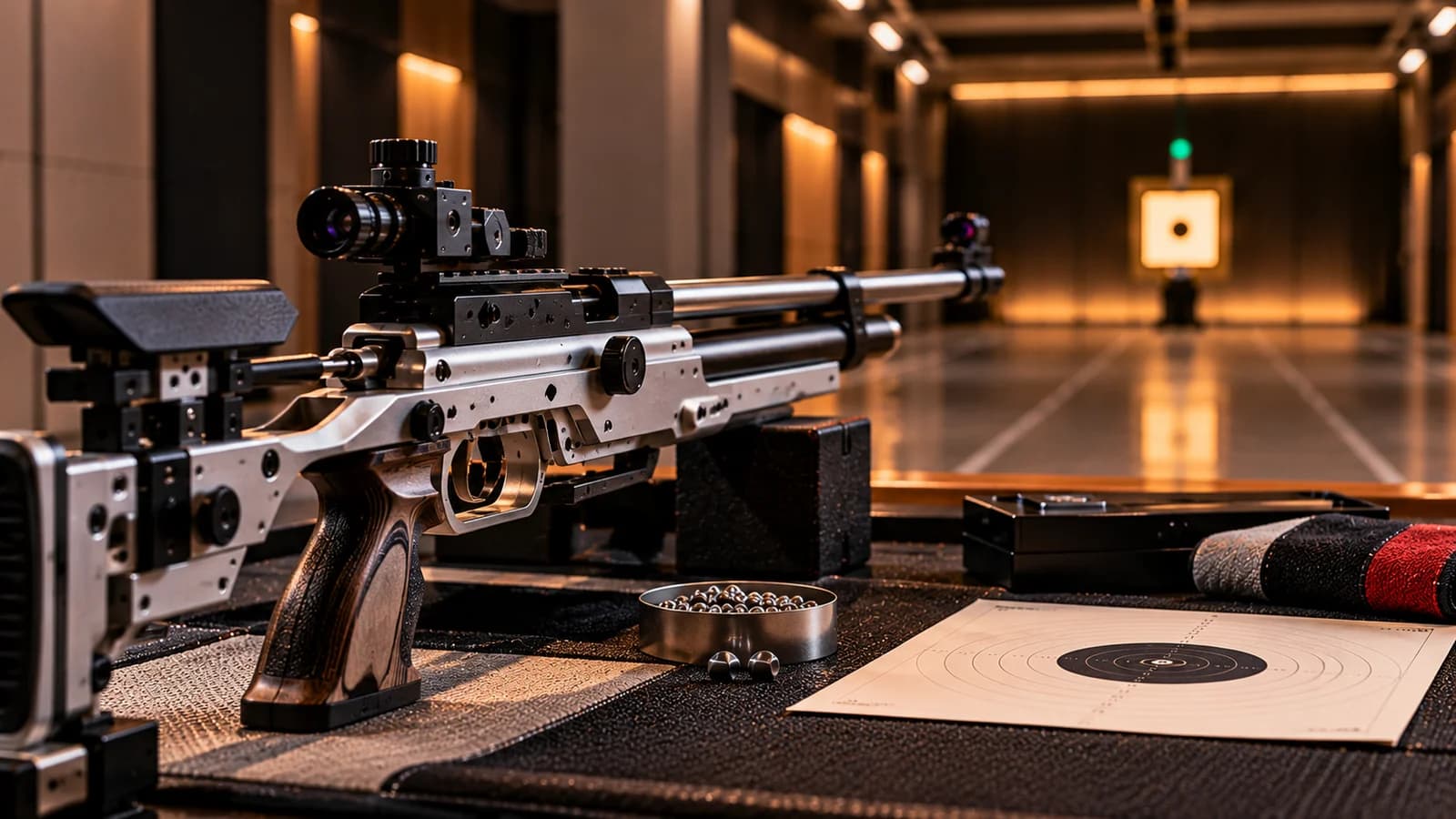
- 10m Air Rifle
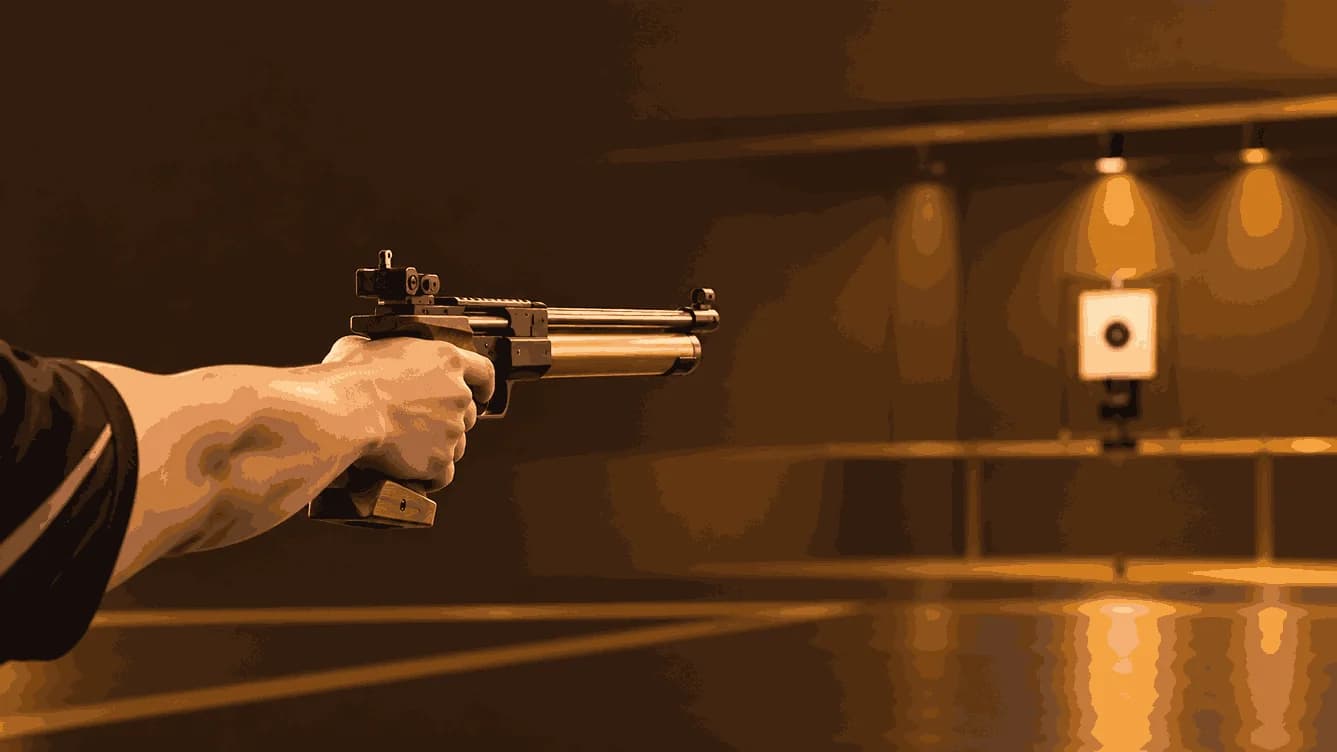
- 10m Air Pistol
Two shooters can have the same rifle, the same position and the same eyesight, and still shoot very different scores. Very often the difference is in two quiet skills that nobody watching can see: how they breathe and how they press the trigger.
This article explains both, with simple drills you can practise at the range and at home. It is written for 10m air rifle and air pistol, but the ideas apply to every precision event.
Why breathing matters
Every breath moves your chest, shoulders and arms. In a precision event, that movement shows up directly in your sights. Your heart rate matters too: when you are nervous, it rises, and your hold gets shakier.
Good breathing does two things:
- It gives you a calm, still moment to release the shot.
- It keeps your body supplied with oxygen so your eyes and muscles stay sharp through a long match.
The shot cycle: where breathing fits
Most coaches teach a version of this cycle for each shot:
- Breathe normally while you set up and bring the rifle or pistol into position.
- Take one or two deeper breaths as you settle.
- Breathe out about half or two-thirds of the air, then pause.
- Aim and release the shot during this natural pause.
- Breathe again after the follow-through.
The pause should feel relaxed, not like holding your breath under water. If you notice yourself straining, the hold is too long.
How long should the hold be?
Your eyes start to lose sharpness after a few seconds without fresh oxygen, and your muscles start to shake. For most shooters the best part of the hold is fairly short, often somewhere in the first several seconds of the aiming pause.
A useful rule: if the shot has not gone within about 8 to 10 seconds, put the gun down, breathe and start again. Many low shots come from holding on and on, waiting for the perfect moment, then forcing the trigger when it does not come. Your coach can help you find your own timing.
Trigger control: the most common problem
When a shot goes wide, beginners usually blame the hold. More often it is the trigger. A jerked or rushed trigger moves the gun at exactly the moment the shot leaves.
Good trigger control means:
- Steady, increasing pressure straight back along the barrel
- Starting the press while the sights are settling, not after they are perfectly still
- Letting the shot surprise you slightly, so you do not flinch in anticipation
- Keeping the rest of the hand still, so only the trigger finger moves
- Follow-through: holding the aim for a moment after the shot breaks
First stage and second stage
Most match triggers have two stages. The first stage takes up slack with light pressure. The second stage breaks the shot. Many shooters take up the first stage as they settle, then apply smooth pressure on the second stage during the aiming pause. Your coach may set the trigger weights differently for you.
Drills you can practise
1. Dry firing
With an unloaded gun (follow your coach's advice and your local rules), aim at a blank target and release the trigger. Watch the front sight or the aiming point at the moment the trigger breaks. If it jumps, the trigger is being jerked.
Five minutes of careful dry firing a day does more than a long session once a week.
2. The balanced coin (pistol)
Some pistol coaches have shooters dry fire with a small coin balanced on the top of the barrel or slide. A smooth trigger release keeps the coin in place. Only do this with your coach's guidance and with an unloaded pistol.
3. Breathing count
Before each shot, count your breaths: in, out, in, half out, pause, aim. The counting gives your mind something to do instead of worrying about the score, and it makes your timing consistent.
4. Blank target series
Shoot a series at the back of a target or at a blank card with no rings. Without a score to chase, you can focus completely on breathing and trigger. Then compare the group with a normal series.
5. The "put it down" drill
In practice, deliberately lower the gun if the shot is not gone by your time limit. It feels like wasting time at first, but it builds the habit you need in matches.
How to know it is working
Track your groups and shot timing in your training notes. Signs of improvement:
- Fewer wide shots that do not match where you were aiming
- Smaller groups even when the score does not change yet
- More consistent time per shot
- Fewer shots where you held too long
Recording this after each session is easier in a shooting diary, where you can compare sessions over weeks.
Frequently asked questions
Should I hold my breath completely when I shoot? Most shooters breathe out partway and pause naturally, rather than holding a full breath. A full held breath tends to create tension.
Why do my shots go low and to one side in pistol? Low shots to one side are very often caused by jerking the trigger or squeezing the whole hand as the shot breaks. Dry firing and a check of your grip with your coach usually help.
Can nerves really change my hold? Yes. A raised heart rate makes the hold shakier. Calm breathing between shots is one of the simplest ways to manage it. We cover more in mental training for shooters.
Like, save and write your own blogs in the app.