How to Choose an Air Gun Shooting Range or Club
by Juily23 Oct 2026No likes yet
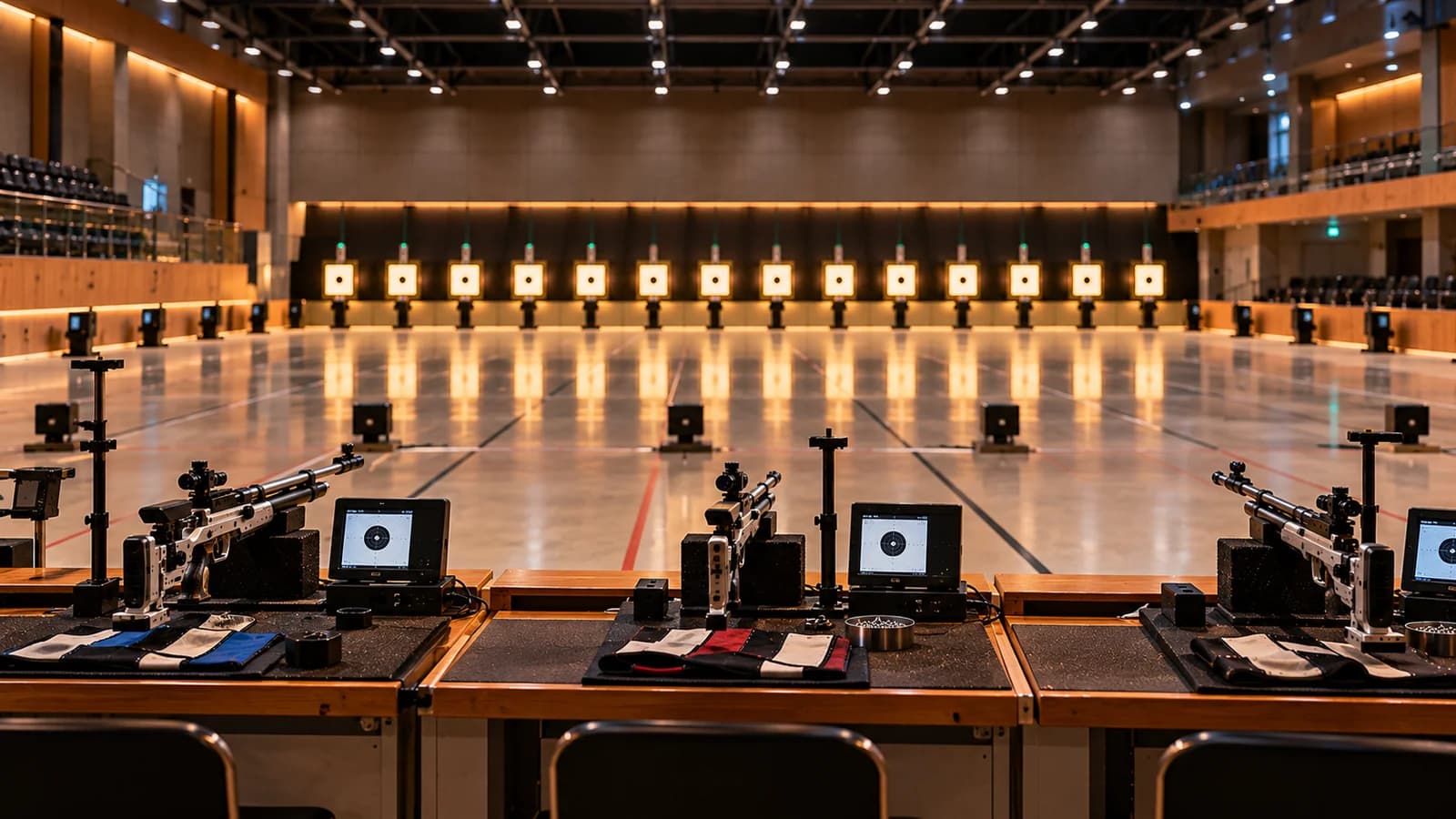
Choosing where to train is the first real decision a new shooter makes, and it shapes everything that follows. A good range gives you safe practice, a coach who notices your mistakes early, and a route into competitions. A poor fit can mean months of wasted sessions.
This checklist will help you compare air gun shooting ranges, clubs and academies before you sign up.
Range, club or academy: what is the difference?
In India you will see all three words, and they often overlap.
- Shooting range: the physical facility, such as a state-run range in a sports complex or stadium. Many big ranges host state and national championships.
- Rifle club or shooting club: an organisation with members, usually affiliated to a district or state rifle association. Clubs often train at a range they own or rent.
- Academy: a coaching-focused setup, often private, that runs structured programmes for beginners and competitive shooters.
For a beginner, what matters is not the label but whether the place has the right lanes, coaching and affiliation.
1. Check the affiliation
If you want to compete, train with a club or academy that is affiliated to your state rifle association. Entries to national championships go through the state associations, and the NRAI expects shooters to be registered through the association of their state. An affiliated club can guide you through registration and enter you in district and state championships.
Ask directly: "Which association are you affiliated to, and do your shooters take part in the state championship?"
2. Check the lanes for your event
Not every range has every distance.
- 10 metre lanes are for air rifle and air pistol. Most beginners start here.
- 25 metre lanes are for 25m pistol events.
- 50 metre lanes are for 50m rifle and 50m pistol.
- Trap and skeet need a separate outdoor shotgun range.
Also ask whether the 10m lanes use electronic targets or paper targets. Electronic targets show each shot on a screen and are now standard in major competitions. Paper targets are fine for learning, but practising on electronic targets before your first big match helps.
3. Meet the coach before you join
The coach matters more than the building. On your first visit, try to watch a session and notice:
- How many shooters each coach handles at once
- Whether the coach explains the reason behind corrections
- Whether beginners get time on basics (stance, holding, dry firing) or are pushed to shoot scores immediately
- Whether safety rules are followed every time
It is fair to ask about the coach's experience and any certifications. A good coach will not mind.
4. Safety rules you should see
A well-run range treats safety as routine:
- Guns are pointed down range at all times
- Clear commands for loading, starting and stopping
- Guns are unloaded and open (or flagged) when not on the firing line
- Nobody goes forward of the firing line while anyone is shooting
- Children are supervised
If you see careless handling, look elsewhere. It says a lot about the rest of the training.
5. Equipment available for beginners
Ask whether the club provides rifles or pistols for beginners, and what condition they are in. Starting on club equipment saves money while you find out whether you enjoy the sport. Also ask about pellets, targets and whether you can store your own equipment at the range later.
6. Timings, distance and cost
The best range is the one you can actually reach regularly.
- Are the practice slots realistic around school, college or work?
- How long does it take to travel there?
- What are the fees for membership, coaching and range use, and what is included?
- Is there a trial session?
Three sessions a week at a nearby club will usually take you further than one session a week at a famous range two hours away.
7. Competition support
If you want to compete, ask how the club helps with:
- Registration with the state association
- Entries for district and state championships
- Travel to bigger competitions
- Getting a Shooter ID and following the NRAI circulars
Our guide on how shooting competitions work in India explains this path step by step.
8. Read reviews from other shooters
Reviews from people who actually train at a place are useful, especially about coaching, crowding and maintenance. On the ranges page you can browse ranges and clubs by state and read ratings for facilities, equipment, staff and value. If you train somewhere, adding your own honest review helps the next beginner.
A quick checklist to take with you
- Affiliated to the state rifle association
- Lanes for my event (10m / 25m / 50m / shotgun)
- Electronic or paper targets
- Coach I can talk to, reasonable group size
- Safety rules followed on every visit
- Club equipment for beginners
- Timings and travel I can manage
- Clear fees and a trial session
- Support for competition entries
Frequently asked questions
How do I find a shooting range near me? Start with your state rifle association, which can tell you about affiliated clubs in your district. You can also browse ranges by state on our ranges page.
Can I just walk in and shoot? Some ranges offer trial or recreational sessions, but competitive training is usually through membership or a coaching programme. Call ahead.
Is a private academy better than a state range? Not necessarily. State ranges often have excellent facilities, and private academies often offer more coaching attention. Compare them using the points above.
Like, save and write your own blogs in the app.


